Open Every Day 7AM-11PMFree EstimatesWritten Quotes
Mold Removal After Water Damage in Ottawa
Mold Removal Experts provides professional mold inspection and remediation across Ottawa, including mold that follows flooding and water damage.
Fast response to limit how far mold can spread
Dry-out first, then remediation, in the right order
Documentation you can hand to your insurer
Get your free quote
Tell us about your project and we will get back to you within 24 hours.
Response within one business day. No obligation.
The Clock Starts Immediately
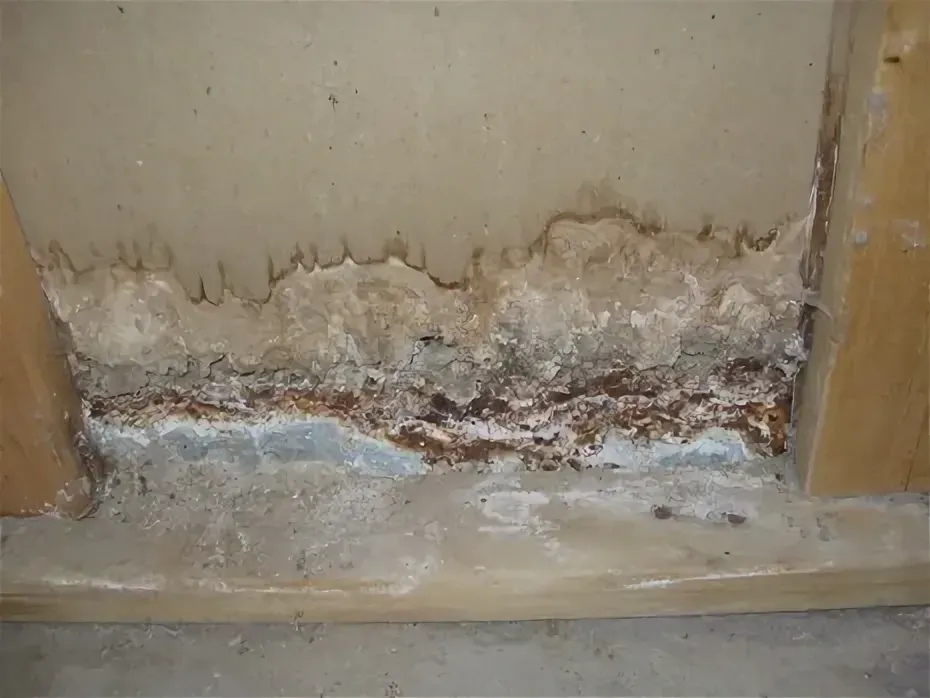
Mold Can Start Within 24 to 48 Hours
Once material stays wet, mold growth can begin in as little as 24 to 48 hours, which is a short window compared to how long water damage often goes unnoticed. In Ottawa, the most common triggers we see are burst pipes from a hard winter freeze-thaw cycle, spring snowmelt overwhelming a foundation or window well, a failed sump pump during heavy rain, and roof leaks that go unnoticed in an attic space. The response speed matters more than almost anything else in these cases, because the difference between calling on day one versus day four is often the difference between drying out affected material and having to remove and replace it.
How We Handle Water Damage Before It Becomes a Mold Job
Water Extraction & Drying
Standing water and saturated material are addressed first with extraction and drying equipment, before any mold-specific work begins.
Moisture Mapping
We check how far moisture has tracked into walls, subfloor, and framing, not just what is visible on the surface.
Remediation After Dry-Out
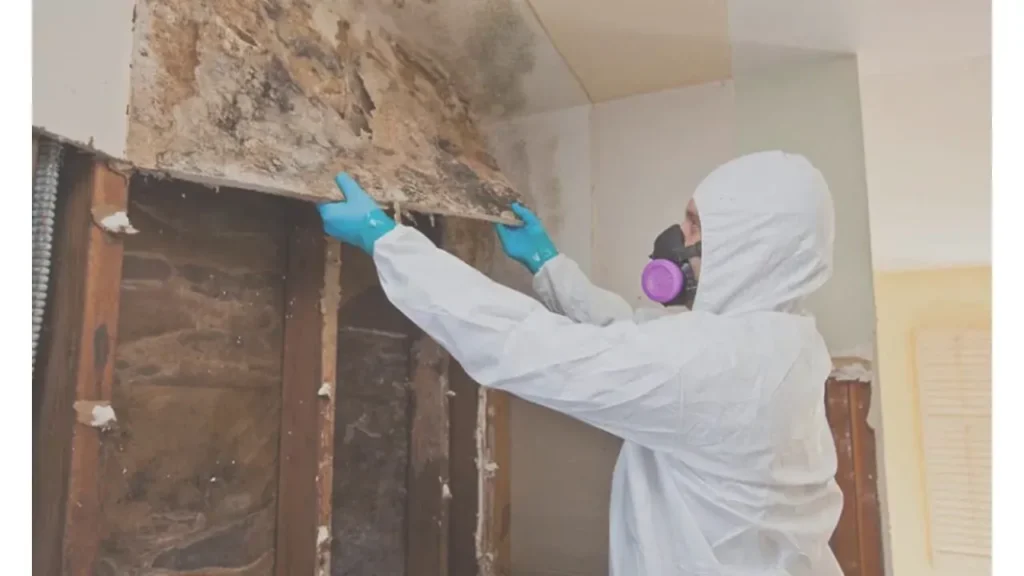
Once the area is properly dry, we remove and treat any mold that has already started, following the same containment standards as any other job.
What to Know About Water Damage Insurance Claims
We document what we find
Photos, moisture readings, and a written scope of what was affected can support a claim, though what your policy covers is between you and your insurer.
We stay neutral on coverage
We will not tell you mold removal is covered when we do not know your policy. We focus on giving you accurate documentation and a clear invoice.
Fast action can limit the damage on record
Acting inside that 24 to 48 hour window can mean less material needs replacing, which matters regardless of how the claim is handled.
Written scope before work starts
You get a clear price and scope before remediation begins, so there is no ambiguity when it comes time to settle a claim.
Not Everything Gets Thrown Out
After Water Damage: What Gets Replaced Versus What Gets Dried
After a flood or leak, the material involved decides a lot about the next steps. Solid materials like structural wood framing, subfloor, and concrete can usually be dried in place with the right equipment and monitoring, even after a significant soak. Porous, layered materials behave differently. Drywall, carpet underpad, particleboard cabinetry, and insulation tend to hold moisture deep inside their structure and are harder to fully dry, which is why they are more often removed and replaced rather than dried out. Knowing which category a material falls into up front helps set realistic expectations for scope and cost before drying equipment ever goes in, instead of everyone finding out partway through the job.
How the Water Damage Drying and Monitoring Process Works
1
Stop the Source & Assess
We confirm the water source is controlled and assess how far moisture has traveled into walls and flooring.
2
Extract Standing Water
Any remaining standing water is removed before drying equipment goes in, since extraction is faster than evaporation alone.
3
Set Up Drying Equipment
Air movers and dehumidifiers are placed based on moisture readings, not guesswork, to target the areas actually affected.
4
Monitor Until Verified Dry
We re-check moisture levels over the following days and confirm the area is fully dry before any remediation work starts.
Water damage and mold are two different problems that arrive together. The water event itself, a burst pipe, a flooded basement, a leaking roof, is only the start. What happens in the next 24 to 48 hours often decides whether you are dealing with a drying job or a mold remediation job.
We are set up to respond quickly because that window is genuinely the most important factor in how much work, and expense, a water event turns into.
Water Damage & Mold FAQs
How fast does mold actually grow after a flood or burst pipe?
Under the right conditions, mold can begin growing within 24 to 48 hours of material staying wet. That is why calling quickly after a water event matters more than almost any other factor in how much work is needed.
Should I try to dry everything out myself before calling?
Basic steps like stopping the water source and removing standing water are fine to do yourself. Beyond that, professional drying equipment reaches moisture inside walls and subfloor that a fan or dehumidifier alone usually cannot, so we recommend calling as soon as the immediate water source is controlled.
Does home insurance cover mold removal after water damage?
That depends entirely on your specific policy and the cause of the water event, so we cannot promise coverage. We can provide documentation, photos, and a written scope that you can submit as part of a claim.
What typically causes flooding in Ottawa basements?
The most common causes we see are sump pump failure during heavy rain, spring snowmelt overwhelming the foundation or window wells, and burst supply pipes from winter freeze-thaw cycles. Each one creates the same 24 to 48 hour mold risk once material is wet.
How long does drying take before mold remediation can start?
It varies with how much material was affected and how long it was wet before we arrived, but drying is always completed and verified before remediation work begins. Starting remediation on still-wet material would not solve the underlying problem.
Just Had Water Damage? Call Now, Not Tomorrow
Every hour matters in the first two days after a flood or leak. Call any day between 7 AM and 11 PM and we will walk you through next steps.