Open Every Day 7AM-11PMFree EstimatesWritten Quotes
Basement Mold Removal in Ottawa
Mold Removal Experts provides professional mold inspection and remediation across Ottawa, including basement mold tied to foundation seepage and grading issues common in older homes.
Foundation seepage and grading issues addressed at the source
Sump pump and drainage failures identified
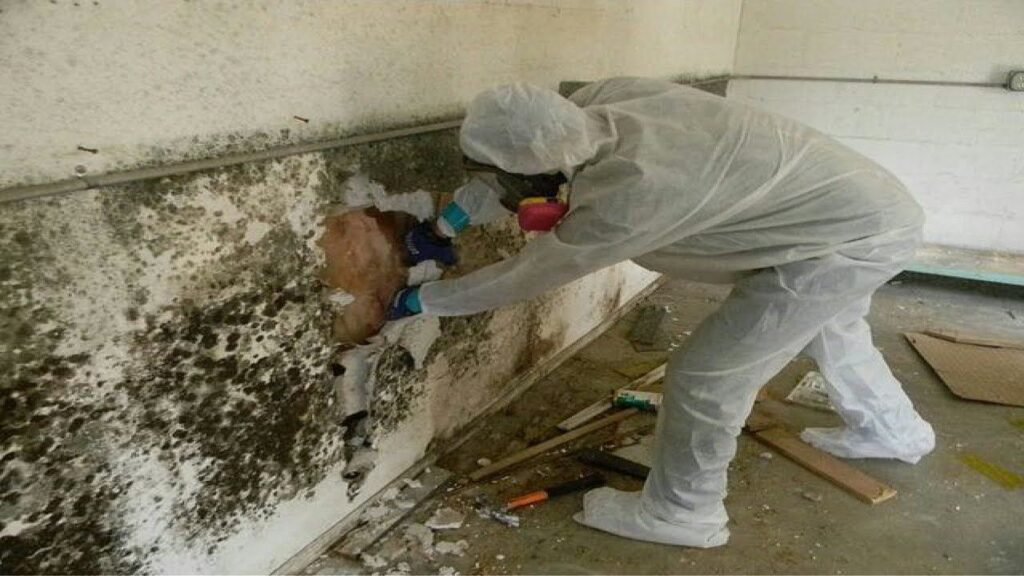
Finished basements opened up where drywall is trapping moisture
Get your free quote
Tell us about your project and we will get back to you within 24 hours.
Response within one business day. No obligation.
The most common call we get
Basements are Ottawa's number one mold problem
A lot of the Ottawa area sits on heavy clay soil, and clay holds water against a foundation instead of draining it away the way sandier soil would. Combine that with older stone or block foundations common in established neighbourhoods, and grading around the house that’s shifted or settled over the years, and you get a steady path for water to work its way through foundation walls and floors. Add a sump pump that fails at the wrong moment, or a downspout dumping water right next to the foundation, and a basement that seemed fine can develop a mold problem fast. Finished basements make it worse in a different way: drywall against a foundation wall traps whatever moisture does get through, out of sight, until a musty smell or a soft spot in the baseboard gives it away.
Water working through cracks, joints, or porous older masonry, often worse during spring thaw or after heavy rain.
Poor grading and drainage
Ground that slopes toward the foundation instead of away from it, common on older lots that have settled over decades.
Sump pump failure
A pump that stops working during a storm or power outage lets groundwater back up exactly when it's needed most.
Our Process
How a basement mold job runs
1
Assess the source
We identify whether moisture is coming from seepage, grading, a plumbing issue, or condensation, since the fix depends on the cause.
2
Contain and remove
Affected drywall, insulation, or flooring is removed following proper containment for the size of the area.
3
Treat and dry the space
Remaining surfaces are treated and the space is dried down to normal moisture levels before anything gets closed back up.
4
Written scope for repairs
If drywall, insulation, or trim needs replacing, that's laid out in your written quote so there are no surprises.
After the work is done
Keeping a treated basement from repeating the problem
Once a basement mold job is finished, keeping humidity down is what keeps it finished. A dehumidifier running through the humid stretch of the Ottawa summer helps hold indoor moisture below the level mold needs to take hold again. Downspouts that discharge water close to the foundation are worth extending further away from the house, since that runoff is often what a sump pump or drainage system is fighting against in the first place. Keeping stored boxes and furniture a few inches off the floor and away from foundation walls also helps, since those materials hold moisture against a cool surface longer than open air would.
Basement mold is the most common call in Ottawa, largely because of clay-heavy soil and older foundations that let water find a way in. Fixing the source matters as much as removing what's already grown.
Serving Ottawa and the surrounding area, including established neighbourhoods with older stone and block foundations.
Basement mold removal questions
How much does basement mold removal cost in Ottawa?
A typical Ottawa-market range for basement mold removal is $1,500 to $6,000, depending on the size of the affected area, whether it's a finished basement, and whether drainage or grading repairs are also needed. A free estimate gives you a number specific to your basement.
Why does my basement keep getting mold even after cleaning it myself?
Surface cleaning without fixing the moisture source, whether that's seepage, grading, or a sump pump issue, usually means mold comes back. The underlying water problem has to be addressed, not just the visible growth.
Do you need to tear out my finished basement walls?
Only the affected sections. Drywall and insulation that have been wet or show growth typically need to come out, but undamaged areas can usually stay in place.
Is basement mold linked to my sump pump?
It can be. A sump pump that fails during a heavy rain or power outage is a common trigger for sudden basement moisture, especially in homes where the basement sits below the water table line.
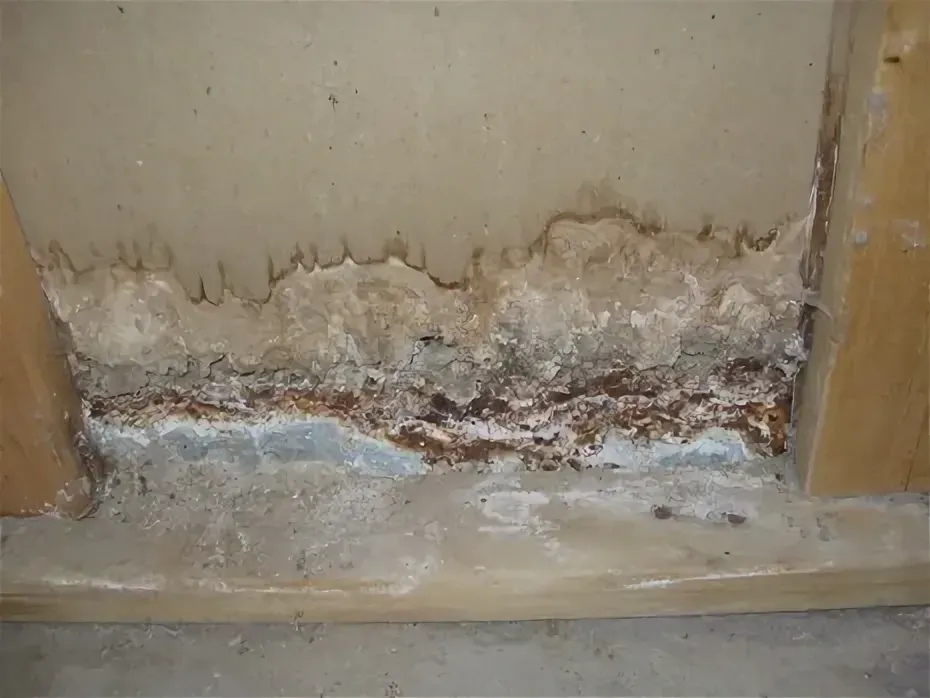
How do I know if it's mold or just efflorescence on my foundation wall?
Efflorescence is a white, powdery mineral deposit and isn't mold, but its presence does mean water is moving through the wall, which is worth having checked since it's the same condition that can lead to mold nearby.
Seeing moisture or a musty smell in your basement?
We'll help you figure out if it's a drainage issue, a foundation issue, or already active mold.