Free EstimatesWritten QuotesOpen Every Day 7AM-11PM
Black Mold Removal in Ottawa
Mold Removal Experts provides professional mold inspection and remediation across Ottawa, including dark-colored mold commonly called black mold.
Careful containment for any dark-colored mold growth
Lab testing coordinated when species matters to you
Written scope and price before any work begins
Get your free quote
Tell us about your project and we will get back to you within 24 hours.
Response within one business day. No obligation.
What The Term Actually Means
"Black Mold" Is a Color, Not a Diagnosis
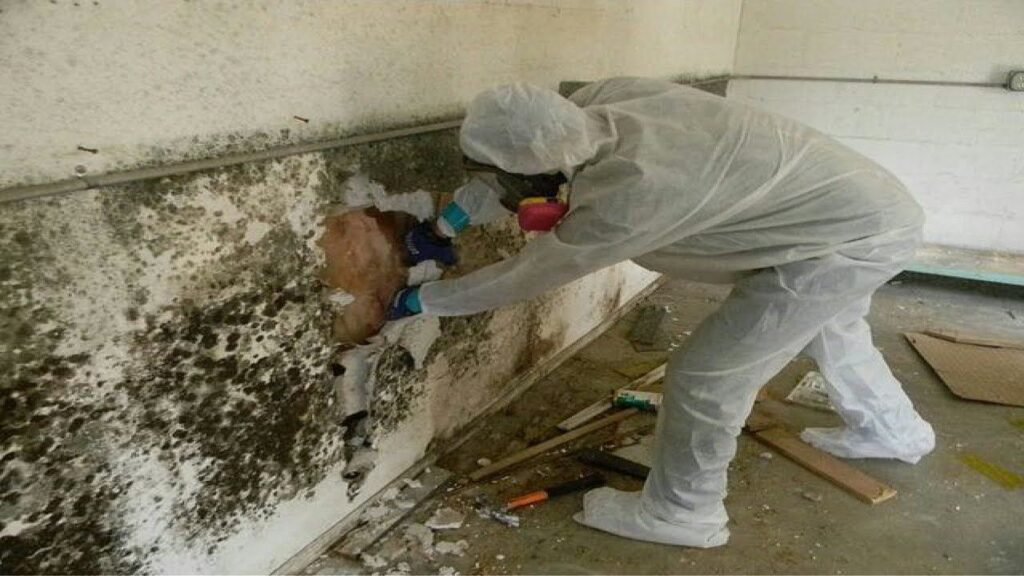
People searching for black mold are usually describing dark, blotchy growth on drywall, wood trim, or a ceiling, and understandably want to know how serious it is. The term gets used loosely for almost any dark-colored mold, not one single species. Stachybotrys chartarum, the mold most associated with the phrase, is one of many species that can appear dark green, brown, or black, and telling species apart by eye alone is not reliable. Confirming exactly which species is present requires a lab sample, which we can arrange if you want that answer. What matters more for how we handle the job is that the mold is visible and active, not which name it goes by.
We assess the size, location, and likely moisture source of the growth before recommending any next step.
Lab Testing, If You Want It
If you want species confirmed for health or documentation reasons, we can coordinate a lab sample rather than guess from color.
Full Containment Removal
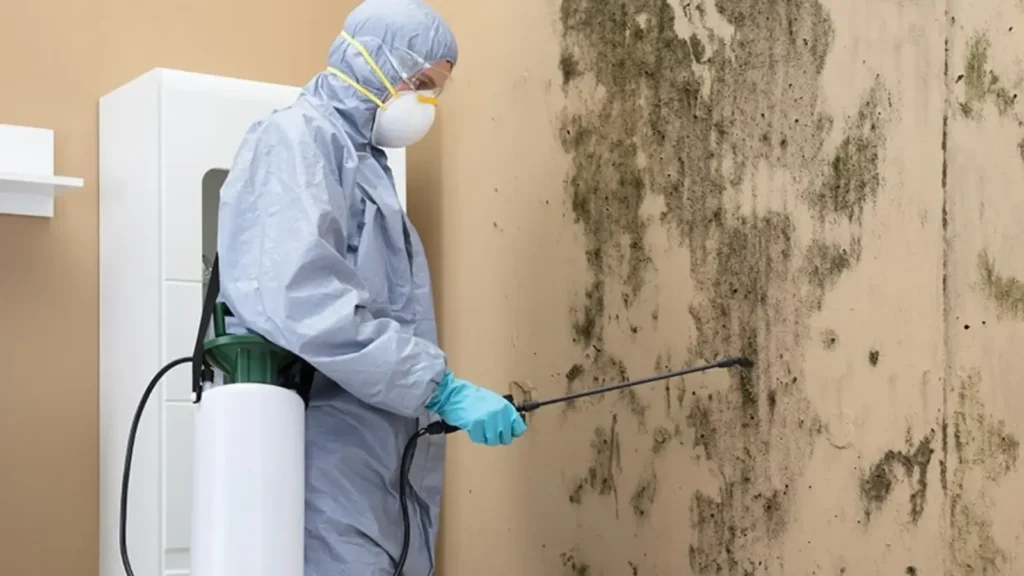
Visible dark mold is contained and removed using the same careful process regardless of which species it turns out to be.
Why We Treat All Visible Mold the Same Way
Color alone does not set the removal method
Whether growth reads as black, green-black, or dark brown, safe removal follows the same containment and cleanup process.
Containment protects the rest of the home either way
We seal off the work area and control airflow so spores are not spread to other rooms during removal, especially for larger or suspected toxigenic growth.
Testing is available, not required
Species identification is useful for peace of mind or insurance documentation, but it is not a prerequisite for us to safely remove what is visible.
You get a written scope before work starts
Your quote lays out what we found, what we are removing, and the price, so there is no ambiguity about what "black mold removal" means for your home.
Not Everything Dark Is Mold
Soot, Mineral Staining, and Old Adhesive Get Mistaken for Black Mold
We get called to plenty of dark marks that turn out not to be mold at all. Soot from candles or a wood stove can leave a dark film along a ceiling or wall that looks a lot like growth from a distance. Mineral staining from hard water tracking through a foundation crack often dries as a dark gray or brownish streak. Old carpet or tile adhesive exposed after a renovation can also show up as a dark, uneven patch. None of these need mold remediation, but they can look similar enough that a homeowner reasonably assumes the worst. Part of an in person inspection is ruling these out before recommending any containment or removal work, so you are not paying to treat something that is not mold.
We look at the pattern, texture, and location of the growth, since mold usually has tells that soot or staining does not.
2
Moisture Source Check
We check nearby areas for a moisture source, since mold needs ongoing dampness to establish and spread.
3
Optional Lab Sample
If you want the species confirmed, we collect a sample and send it to a lab rather than guess from appearance.
4
Containment & Removal
Once confirmed, affected material is contained and removed following the same process regardless of species.
"Black mold" is one of the most searched mold terms, usually because it sounds like the most serious kind. In practice, it is a color description that covers several possible species, and the right response is the same either way: contain it, remove it properly, and test it if you want species confirmed.
We will not tell you a patch is dangerous "toxic black mold" without evidence, and we will not tell you not to worry either. We will look at it and give you a straight answer.
Black Mold FAQs
Is all dark-colored mold actually toxic black mold?
Not necessarily. Many mold species can appear dark green, brown, or black, and Stachybotrys is only one of them. Color alone cannot confirm the species. If you want certainty, we can arrange a lab sample rather than guess by appearance.
Do I need to test for Stachybotrys before it can be removed?
No. Testing is optional and mainly useful if you want documentation or peace of mind about which species is present. We can safely contain and remove visible dark mold whether or not it has been lab tested first.
Is black mold more dangerous to remove than other mold colors?
Any mold removal should be done with proper containment, and we apply that standard to all jobs. For dark growth in a larger area, or where someone in the home has respiratory concerns, we may use stricter containment as a precaution rather than because the color itself changes the risk.
Can I just clean black mold myself with bleach?
For a very small, isolated spot on a hard, non-porous surface, light cleaning can sometimes work. Once mold has reached porous material like drywall or has spread beyond a small patch, surface cleaning usually will not remove it fully, and we would recommend a proper inspection instead.
Why does dark mold keep appearing in the same spot?
Recurring growth in one area almost always points to an ongoing moisture source nearby, such as a slow leak, condensation, or poor airflow. We look for that source during inspection so the fix addresses the cause, not just the visible patch.
Not Sure What You're Looking At? Let's Find Out
Send us a photo or book a free on-site look, and we will tell you plainly what we see and what it would take to remove it.